
Water damage is one of the most disruptive and costly issues a property owner can face. Whether caused by burst pipes, flooding, roof leaks, or appliance failures, water intrusion has the potential to compromise structural integrity, damage valuable belongings, and create hazardous living or working conditions. While the core principles of water damage restoration remain consistent across all property types, the execution of those principles differs significantly between residential and commercial settings. Understanding these differences is essential for property owners who want to respond effectively and minimize long-term consequences.
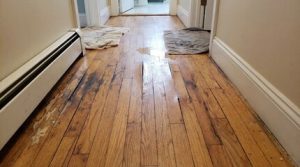
At a glance, water damage restoration may seem like a straightforward process of removing water and drying affected areas. However, the complexity increases depending on the size, function, and occupancy of the property. Residential properties typically focus on comfort and personal belongings, while commercial properties must address operational continuity, regulatory compliance, and larger-scale infrastructure concerns. These distinctions shape every stage of the restoration process, from initial assessment to final recovery. Explore https://www.allproutah.com for additional information.
Scope and Scale of Damage
One of the most noticeable differences between residential and commercial water damage restoration lies in the scope and scale of the affected area. Residential properties, such as single-family homes or small living spaces, usually have a more limited footprint. While water damage can still be severe, it is often contained within specific rooms or sections of the property.
Commercial properties, on the other hand, often involve expansive floor plans, multiple levels, and complex layouts. Water damage in these environments can spread quickly across large areas, affecting multiple departments or operational zones simultaneously. This increased scale requires more resources, larger equipment, and a coordinated approach to ensure that all affected areas are addressed efficiently.
The scale also influences the timeline. Residential restoration projects may take days or weeks, while commercial restoration can extend longer due to the size and complexity of the work involved. In commercial settings, restoration teams often work in phases to minimize disruption to business operations.
Response Time and Urgency
While quick action is critical in any water damage scenario, the level of urgency is often heightened in commercial properties. For homeowners, water damage is a serious inconvenience that can disrupt daily life and compromise safety. However, in commercial environments, delays can lead to significant financial losses, operational downtime, and potential liability issues.
Businesses rely on functional spaces to generate revenue and serve customers. Even a short interruption can result in lost income and reputational damage. As a result, commercial restoration efforts are typically more aggressive in terms of response time and resource allocation.
Key differences in response priorities include:
- Residential focus on safety and habitability, ensuring the home is secure and comfortable for occupants
- Commercial focus on business continuity, aiming to restore operations as quickly as possible
- Greater manpower and equipment deployment in commercial settings to accelerate recovery timelines
This distinction often means that commercial restoration projects operate around the clock, with teams working in shifts to expedite the process.
Complexity of Systems and Infrastructure
Residential properties generally have simpler systems, including basic plumbing, electrical wiring, and HVAC units. While damage to these systems can still be significant, the repair process is typically more straightforward. Restoration teams can isolate the problem areas and address them without extensive coordination.
In contrast, commercial properties often feature complex infrastructure that supports large-scale operations. This may include advanced HVAC systems, industrial plumbing networks, specialized electrical setups, and integrated technology systems. Water damage in these environments can affect multiple interconnected components, making restoration more challenging.
For example, a water leak in a commercial building could impact server rooms, manufacturing equipment, or critical storage areas. Addressing these issues requires specialized expertise and careful planning to avoid further damage. Restoration professionals must often collaborate with engineers, facility managers, and other specialists to ensure that all systems are properly restored.
Health, Safety, and Regulatory Considerations
Health and safety are always a priority in water damage restoration, but commercial properties often face stricter regulatory requirements. Residential restoration focuses on creating a safe living environment by removing contaminants, preventing mold growth, and ensuring structural stability.
Commercial properties, particularly those in regulated industries, must comply with specific standards related to health, safety, and sanitation. Failure to meet these requirements can result in legal consequences, fines, or even temporary closure. This adds an additional layer of complexity to the restoration process.
Some key regulatory considerations include:
- Adherence to industry-specific guidelines for cleanliness and safety
- Documentation and reporting requirements to demonstrate compliance
- Use of approved materials and methods to meet regulatory standards
These requirements often necessitate more detailed documentation and quality control measures throughout the restoration process.
Equipment and Techniques Used
The equipment and techniques used in water damage restoration vary significantly between residential and commercial projects. In residential settings, restoration teams typically use portable equipment such as air movers, dehumidifiers, and moisture meters. These tools are effective for smaller spaces and localized damage.
Commercial restoration, however, often requires industrial-grade equipment capable of handling large volumes of water and extensive areas. This may include high-capacity extraction units, large-scale drying systems, and advanced moisture detection technology. The goal is to address the damage efficiently while maintaining consistent conditions across the entire property.
Additionally, commercial projects may involve specialized techniques such as controlled demolition, large-scale decontamination, and coordinated drying strategies. These methods are designed to manage the complexity and scale of commercial environments.
Impact on Occupants and Operations
Another key difference between residential and commercial water damage restoration is the impact on occupants. In residential properties, the primary concern is the well-being and comfort of the residents. Restoration efforts focus on minimizing disruption to daily life and ensuring that the home is safe to inhabit.
In commercial properties, the impact extends beyond individuals to entire organizations. Employees, customers, and stakeholders may all be affected by the disruption. Restoration teams must consider how to carry out their work without completely halting operations.
In some cases, commercial restoration projects are conducted in stages, allowing certain areas to remain operational while others are being repaired. This phased approach requires careful planning and coordination to ensure safety and efficiency.
Cost Considerations and Insurance Factors
Cost is a significant factor in any restoration project, but the financial implications differ between residential and commercial properties. Residential restoration costs are typically influenced by the extent of damage, the materials involved, and the time required for repairs. Homeowners often rely on insurance coverage to offset these expenses.
Commercial restoration projects, due to their larger scale and complexity, can involve higher costs. In addition to repair expenses, businesses must also consider indirect costs such as lost revenue, temporary relocation, and operational disruptions. Insurance claims in commercial settings are often more complex, requiring detailed documentation and coordination with multiple parties.
Property owners should be aware that the restoration process may involve negotiations with insurers, assessments by adjusters, and adherence to policy requirements. Understanding these factors can help streamline the claims process and ensure a smoother recovery.
Preventive Strategies for Both Property Types
While restoration focuses on recovery, prevention remains a critical aspect of property management. Both residential and commercial property owners can benefit from implementing proactive measures to reduce the risk of water damage.
Effective preventive strategies include:
- Regular inspection and maintenance of plumbing systems, roofs, and drainage systems
- Installation of water detection and shut-off systems to address issues quickly
- Proper insulation and sealing to prevent leaks and moisture intrusion
For commercial properties, additional measures such as routine facility audits and staff training can further enhance preparedness. Prevention not only reduces the likelihood of damage but also minimizes the severity of potential incidents.
Choosing the Right Restoration Approach
Selecting the appropriate restoration approach depends on the specific needs of the property. Residential property owners may prioritize comfort, aesthetics, and personal belongings, while commercial property owners must balance restoration efforts with operational demands and regulatory requirements.
Understanding the unique challenges associated with each property type allows for better decision-making and more effective restoration outcomes. Property owners who are informed and prepared are better equipped to navigate the complexities of water damage restoration.
Conclusion
Water damage restoration is a multifaceted process that varies significantly between residential and commercial properties. From the scale of damage to the complexity of systems and regulatory requirements, each environment presents its own set of challenges and priorities. Recognizing these differences is essential for property owners who want to respond quickly and effectively when water damage occurs.
By understanding the key distinctions between residential and commercial restoration, property owners can make informed decisions, minimize disruptions, and protect their investments. Ultimately, successful restoration is not just about repairing damage—it is about restoring functionality, safety, and peace of mind in a way that aligns with the unique needs of each property.